The POLAR2E Newsletter 12 | Summer 2024 is now available. Along with news about POLAR2E researchers’ activities and events, we continue to support the participation in international conferences for masters and doctoral students, as well as for Early Career Researchers.
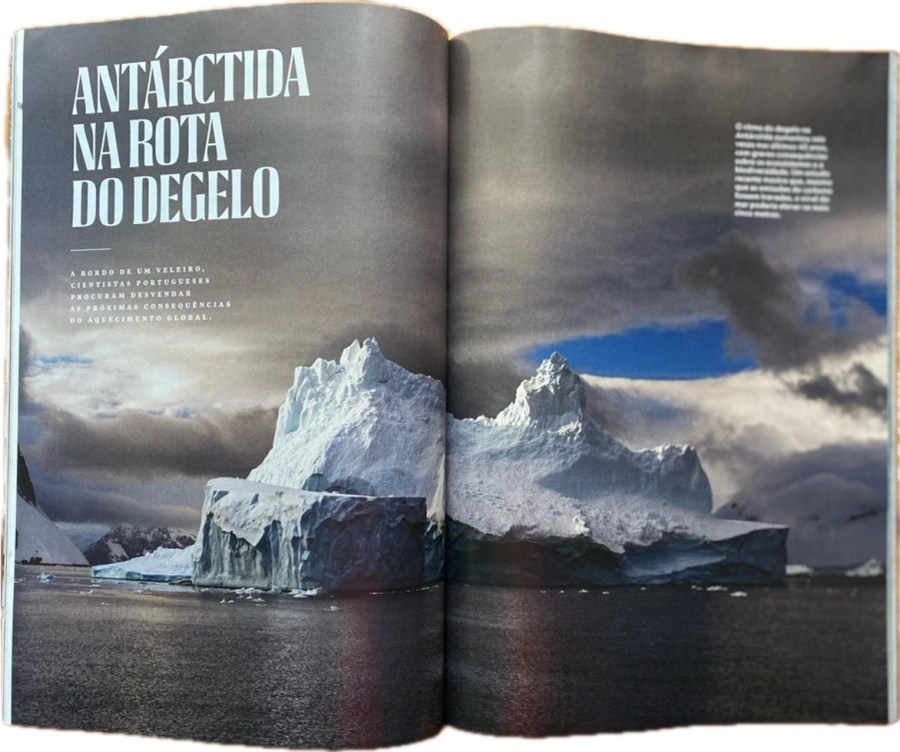
National Geographic Portugal has published a new article titled “Antártida na Rota do Degelo: a bordo de um veleiro, cientistas portugueses procuram desvendar as próximas consequências do aquecimento global.” The report details the expedition of a group of Portuguese and international scientists who embarked on a sailboat to explore the Antarctic Peninsula, one of the regions most affected by climate change. They are collecting crucial data to assess its impact on global ecosystems and understand the future repercussions of global warming.
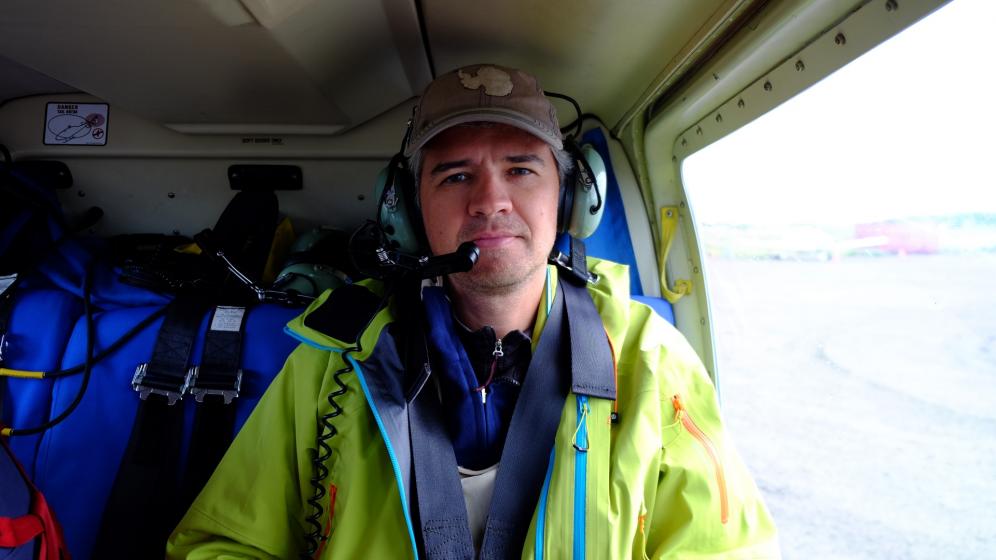
Gonçalo Vieira, a professor at IGOT-ULisboa, was appointed as Co-President of the International Permafrost Association (IPA) in Whitehorse, Canada. He will hold this position for the next four years alongside Isabelle Gartner-Roer from the University of Zurich.
Gonçalo Vieira’s appointment to lead a committee with 29 member countries is a recognition of the robustness of permafrost research conducted by Portugal in both the Antarctic and Arctic regions. Promoting scientific research and engineering to help solve problems associated with permafrost in a scenario of global environmental crisis and significant geopolitical complexity will be the guiding principle of this joint presidency.
The IPA was established in 1983 with the aim of promoting scientific research on permafrost and international collaboration. Since then, changes in permafrost environments have seen a worrying acceleration, and permafrost has become increasingly significant in the context of global climate change. Permafrost is a central element in the global climate system, particularly because of its importance in the carbon cycle and for methane and carbon dioxide emissions.
However, the problems associated with permafrost degradation are very broad, with implications for high-latitude ecosystems, hydrology, coastal dynamics, contaminant flows, as well as for infrastructure and the ways of life of indigenous and local communities in the Arctic.
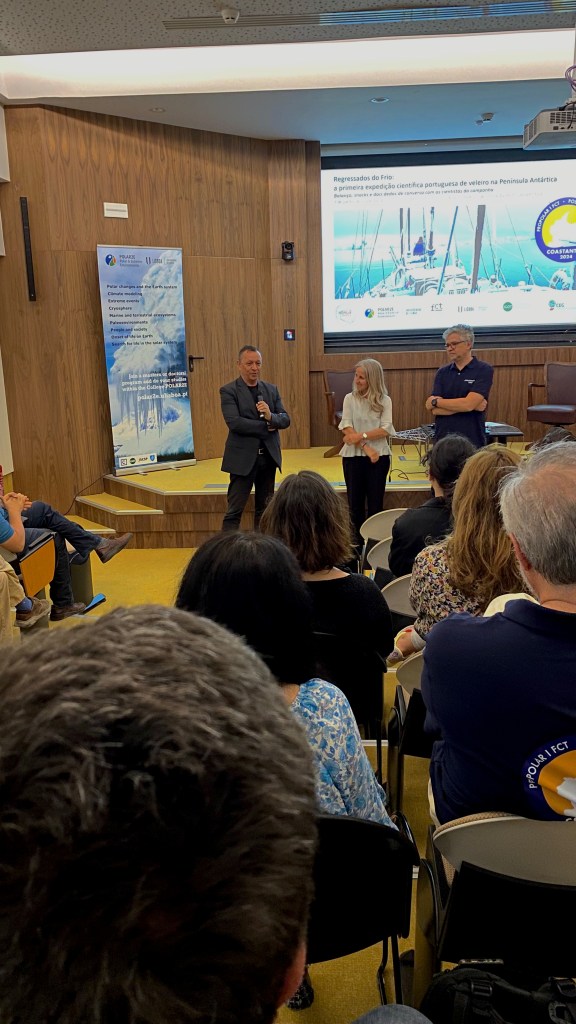
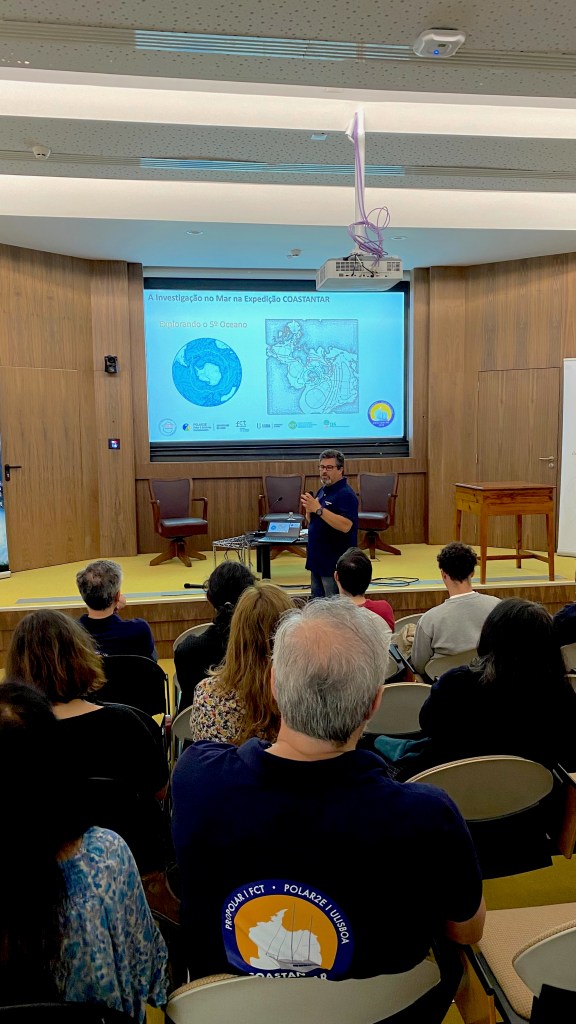
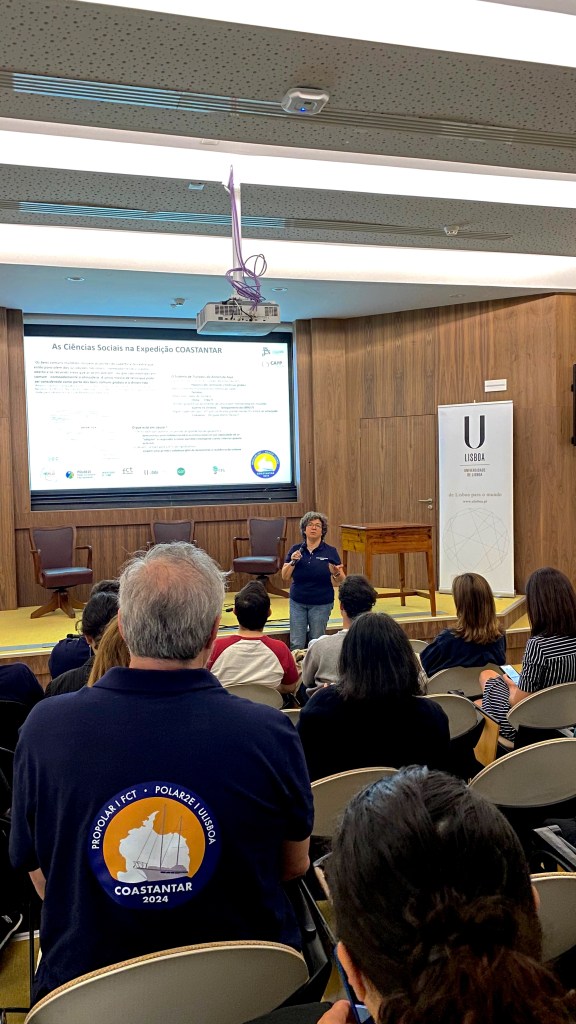
Last Friday, June 7, 2024, a significant event took place at the TTC@ULISBOA Auditorium in Lisbon’s University City to celebrate the return of the first Portuguese scientific sailing expedition to the Antarctic Peninsula, COASTANTAR 2024. The event, titled “Returned from the Cold: First Portuguese Scientific Sailing Expedition to the Antarctic Peninsula,” was held from 11 AM to 1 PM and was open to all audiences.
📢 Three months after returning from Antarctica and with all the cargo and samples finally in Portugal, the scientists from the COASTANTAR 2024 expedition shared the logistical and scientific outcomes of this pioneering journey.
👉 The program included a brief presentation by the expedition coordinators, where the audience had the opportunity to learn about the discoveries and challenges faced during the expedition, as well as the impact of polar research in Portugal. This was followed by a Q&A session with scientists from the universities of Lisbon, Algarve, and Coimbra.
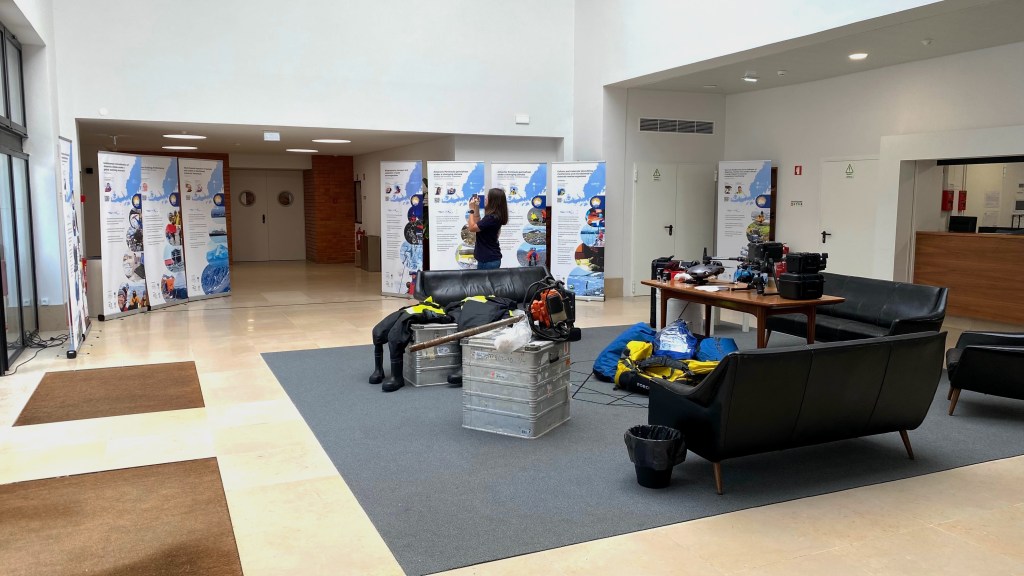
🥪 After the session, snacks and drinks were provided, creating a relaxed environment for participants to engage with the scientists, learn more about ongoing projects, and see some of the equipment used during the expedition.
🚩 The event was organised by the Portuguese Polar Program (PROPOLAR) and the College of Polar Sciences and Extreme Environments (POLAR2E) of the University of Lisbon.
This gathering not only highlighted the importance of scientific research in extreme environments but also reinforced Portugal’s role in the global polar science community. The COASTANTAR 2024 expedition marked a significant step for the Portuguese scientific community and opened doors for future research in Antarctica.
#PROPOLAR #ULISBOA
Fostering interdisciplinary research in the frontiers of knowledge





 POLAR2E. College on Polar and Extreme Environments | ULISBOA