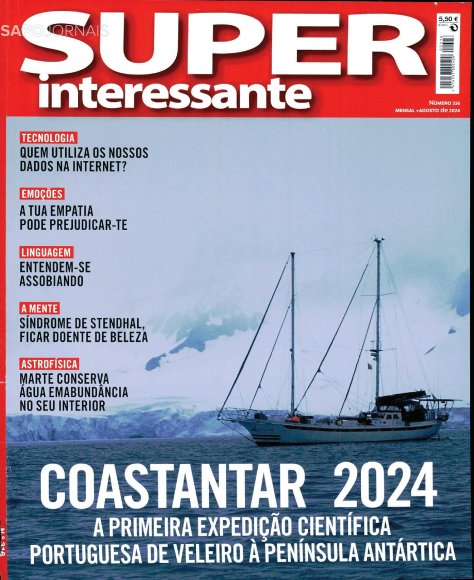
In early 2024, the COASTANTAR expedition, led by Portuguese scientists, successfully completed a pioneering mission in Antarctica. The team utilized a small sailboat, the “El Doblón,” to conduct various scientific studies in the challenging environment of the Antarctic Peninsula. This area, known for its rapidly changing climate, served as the focus of extensive research on glacial retreat, permafrost, marine biology, and environmental contaminants.
Despite facing logistical and weather-related challenges, the expedition covered over 1,100 km, gathered valuable data, and underscored the potential for low-impact, cost-effective scientific exploration in polar regions. The samples collected during this mission are now being analyzed, with results expected to further our understanding of climate change and its global impact.
The POLAR2E Newsletter 12 | Summer 2024 is now available. Along with news about POLAR2E researchers’ activities and events, we continue to support the participation in international conferences for masters and doctoral students, as well as for Early Career Researchers.
The agreement between POLAR2E, the Estrela UNESCO Global Geopark and the Family Pais, owners of the Lagoa Comprida House at the Serra da Estrela is now fully operational! POLAR2E researchers and students may use the house for research in the Estrela Geopark or for development of research activities within POLAR2E strategical topics. The facility offers accommodations for up to 12 individuals. Learn more about access conditions and available dates.
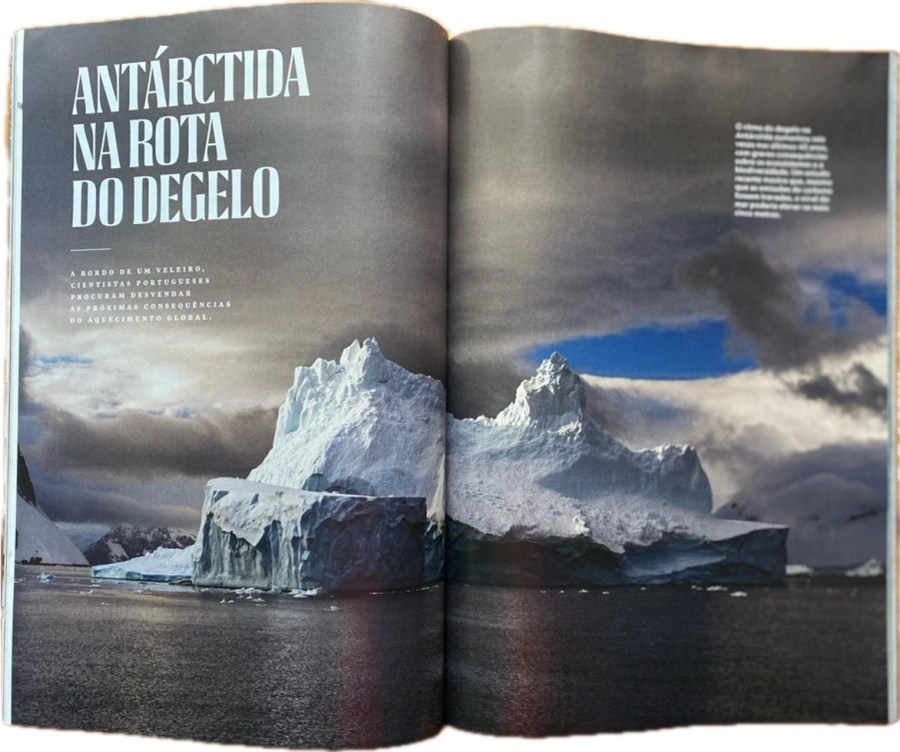
National Geographic Portugal has published a new article titled “Antártida na Rota do Degelo: a bordo de um veleiro, cientistas portugueses procuram desvendar as próximas consequências do aquecimento global.” The report details the expedition of a group of Portuguese and international scientists who embarked on a sailboat to explore the Antarctic Peninsula, one of the regions most affected by climate change. They are collecting crucial data to assess its impact on global ecosystems and understand the future repercussions of global warming.
Fostering interdisciplinary research in the frontiers of knowledge



 POLAR2E. College on Polar and Extreme Environments | ULISBOA