The agreement between POLAR2E, the Estrela UNESCO Global Geopark and the Family Pais, owners of the Lagoa Comprida House at the Serra da Estrela is now fully operational! POLAR2E researchers and students may use the house for research in the Estrela Geopark or for development of research activities within POLAR2E strategical topics. The facility offers accommodations for up to 12 individuals. Learn more about access conditions and available dates.
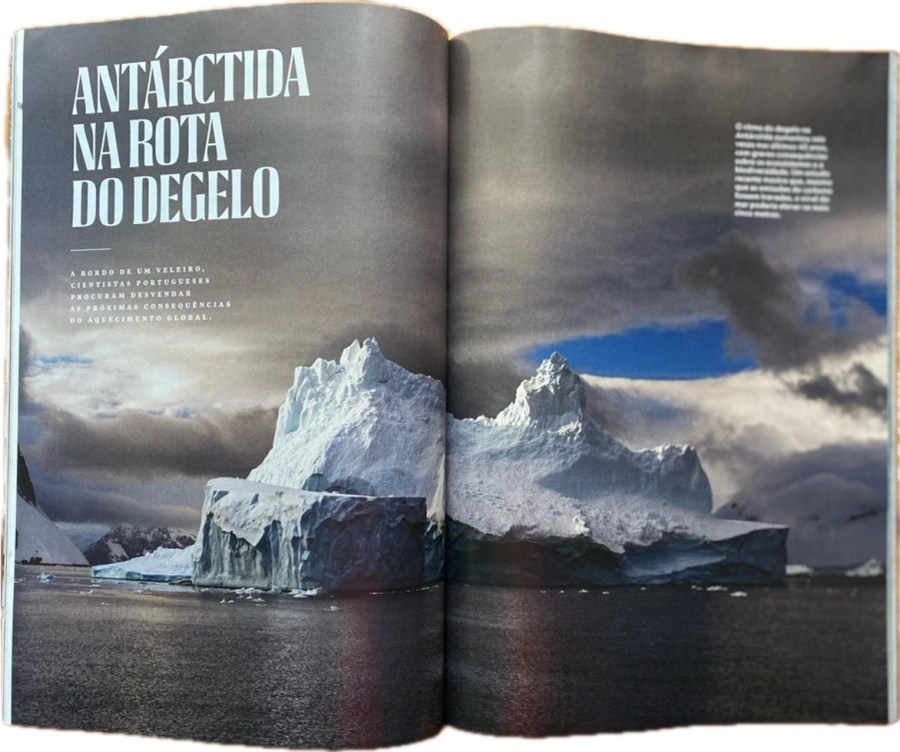
National Geographic Portugal has published a new article titled “Antártida na Rota do Degelo: a bordo de um veleiro, cientistas portugueses procuram desvendar as próximas consequências do aquecimento global.” The report details the expedition of a group of Portuguese and international scientists who embarked on a sailboat to explore the Antarctic Peninsula, one of the regions most affected by climate change. They are collecting crucial data to assess its impact on global ecosystems and understand the future repercussions of global warming.
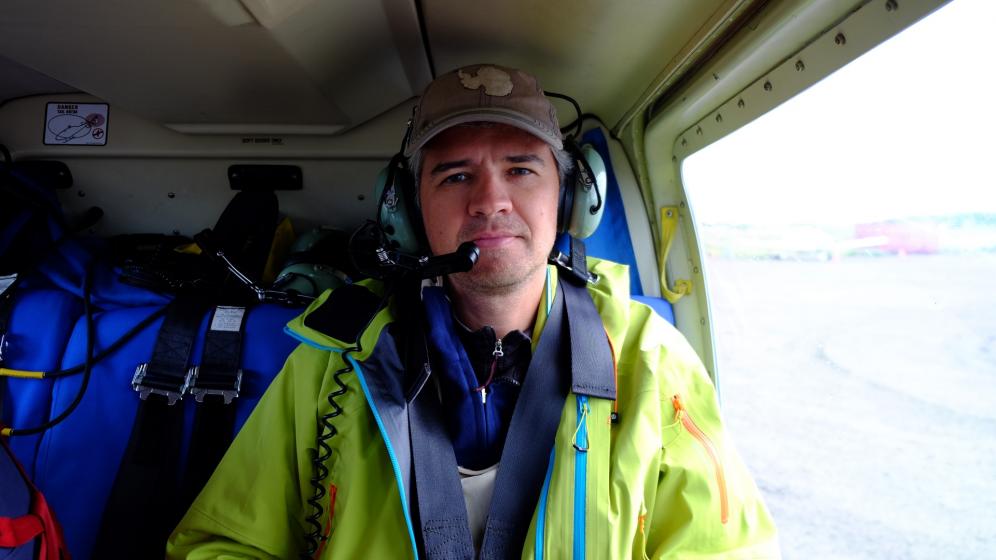
Gonçalo Vieira, a professor at IGOT-ULisboa, was appointed as Co-President of the International Permafrost Association (IPA) in Whitehorse, Canada. He will hold this position for the next four years alongside Isabelle Gartner-Roer from the University of Zurich.
Gonçalo Vieira’s appointment to lead a committee with 29 member countries is a recognition of the robustness of permafrost research conducted by Portugal in both the Antarctic and Arctic regions. Promoting scientific research and engineering to help solve problems associated with permafrost in a scenario of global environmental crisis and significant geopolitical complexity will be the guiding principle of this joint presidency.
The IPA was established in 1983 with the aim of promoting scientific research on permafrost and international collaboration. Since then, changes in permafrost environments have seen a worrying acceleration, and permafrost has become increasingly significant in the context of global climate change. Permafrost is a central element in the global climate system, particularly because of its importance in the carbon cycle and for methane and carbon dioxide emissions.
However, the problems associated with permafrost degradation are very broad, with implications for high-latitude ecosystems, hydrology, coastal dynamics, contaminant flows, as well as for infrastructure and the ways of life of indigenous and local communities in the Arctic.
Fostering interdisciplinary research in the frontiers of knowledge


 POLAR2E. College on Polar and Extreme Environments | ULISBOA